Why the Niagara Region Is a Smart Real Estate Investment Market
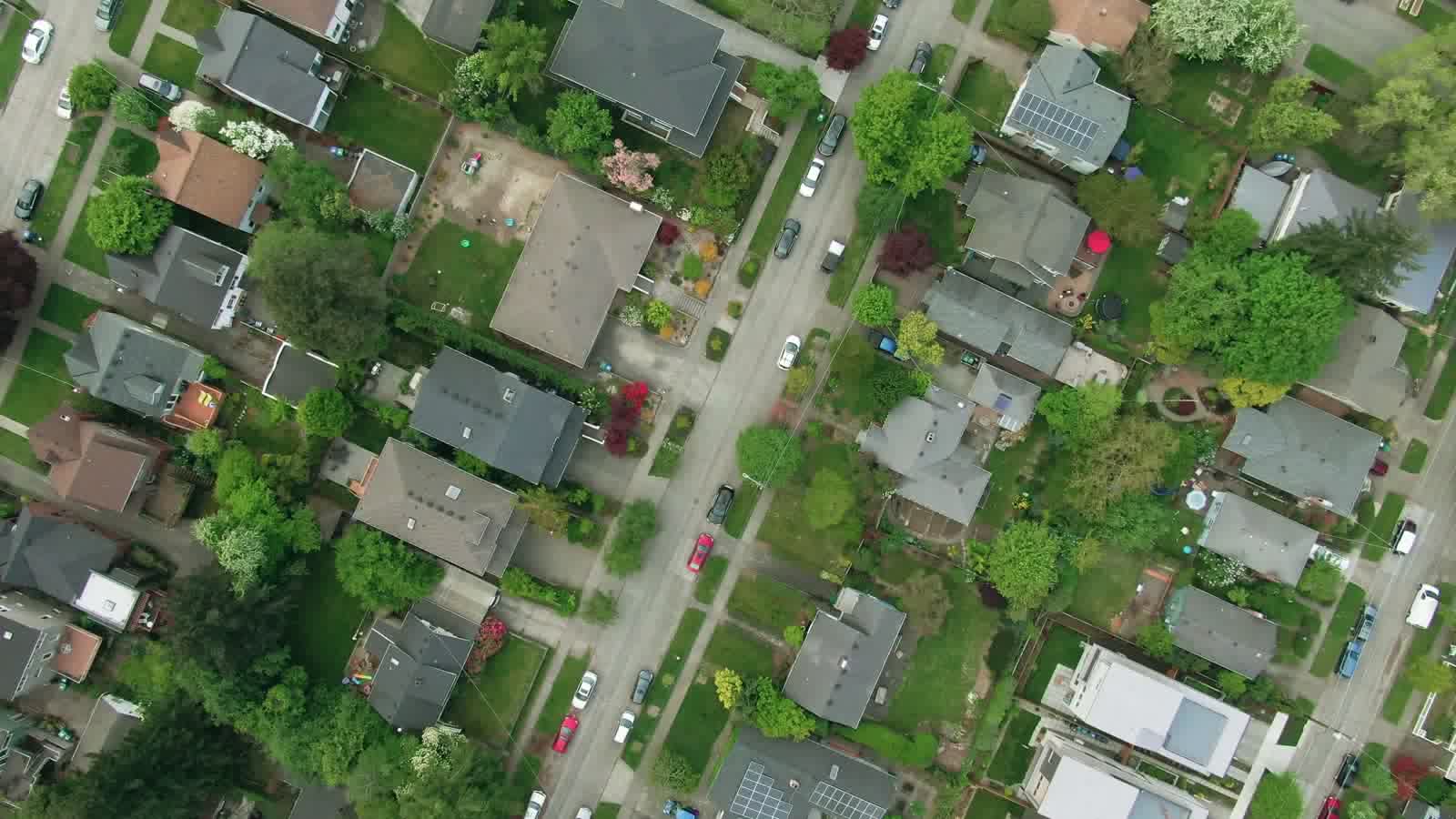
Ask most people to picture a real estate investment market in Ontario and they'll name Toronto. But for investors who care more about fundamentals than headlines, the Niagara Region has quietly become one of the more sensible places in the province to put capital to work. We build and renovate here every week, so our view is shaped less by spreadsheets and more by what we actually see on the ground. Here's the case for the region, in plain terms.
Affordability that still makes the math work
Niagara has long been more affordable than the Greater Toronto Area, and that gap is the foundation of almost every investment thesis here. Lower entry prices mean a property's rent covers more of its carrying costs, renovation budgets stretch further, and the numbers on a value-add project have more room to work. As remote and hybrid work loosened the need to live close to downtown Toronto, more buyers and renters started looking an hour down the highway — and daily GO train service now connecting St. Catharines and Niagara Falls to the GTA only strengthens that pull.
Real, durable rental demand
A good investment market needs people who want to live there, not just speculation. Niagara has several independent sources of that demand:
- Students. Brock University and Niagara College bring thousands of students who need housing every year.
- A tourism workforce. Niagara Falls, the wineries, and the hospitality sector employ a large year-round and seasonal workforce that rents.
- Healthcare and trades. Regional hospitals, ongoing construction, and manufacturing support steady, practical demand for housing.
- GTA spillover. Priced-out Toronto buyers and renters continue to look toward Niagara for more space at a lower cost.
Demand from several directions at once is more resilient than demand riding on a single employer or trend.
An older housing stock built for value-add
Much of Niagara's housing was built decades ago, which is exactly what makes it interesting to an investor with a construction background. Older homes are often priced below their potential, sit on generous lots, and have basements or layouts that lend themselves to a legal second suite. That's the heart of the duplex conversion strategy: take a tired single-family home, add a compliant second unit, and create both rental income and lasting value. A region full of renovation candidates is a region full of opportunity for people who know how to execute.
A diversified local economy
One reason Niagara holds up through cycles is that it doesn't depend on any single industry. Tourism, agriculture and the wine sector, manufacturing, healthcare, education, and cross-border trade through the US land crossings all contribute. When one part of the economy softens, the others tend to carry the load — and that diversity shows up as steadier housing demand than a one-industry town can offer.
How investors actually take part
Believing in a market and having the time, crew, and know-how to act on it are two different things. That's the gap we fill. Most investors take part through private lending: you make a fixed-rate private loan to SIP Inc., documented by a promissory note, earning an 8% annual return with monthly interest and your principal returned at project completion. It's a hands-off way to participate — you put capital to work while we handle the sourcing, renovation, and resale.
You can see how to earn a fixed 8% through private lending, with an example pro-forma, and browse completed work in our portfolio.
The bottom line
Niagara won't generate the kind of headlines a hot downtown market does, and that's rather the point. Affordable entry prices, demand from several directions, a housing stock ripe for improvement, and a diversified economy add up to a market where careful, construction-informed investing can do well over time. If you'd like to talk through how it could fit your goals, get in touch — we're always happy to walk through the approach.
This article is general information only, not financial, legal, or investment advice. All investing carries risk, including the risk of loss; past results do not guarantee future returns. Do your own due diligence and consult qualified professionals before making any investment decision.