What Is a Duplex Conversion? A Niagara Investor's Guide
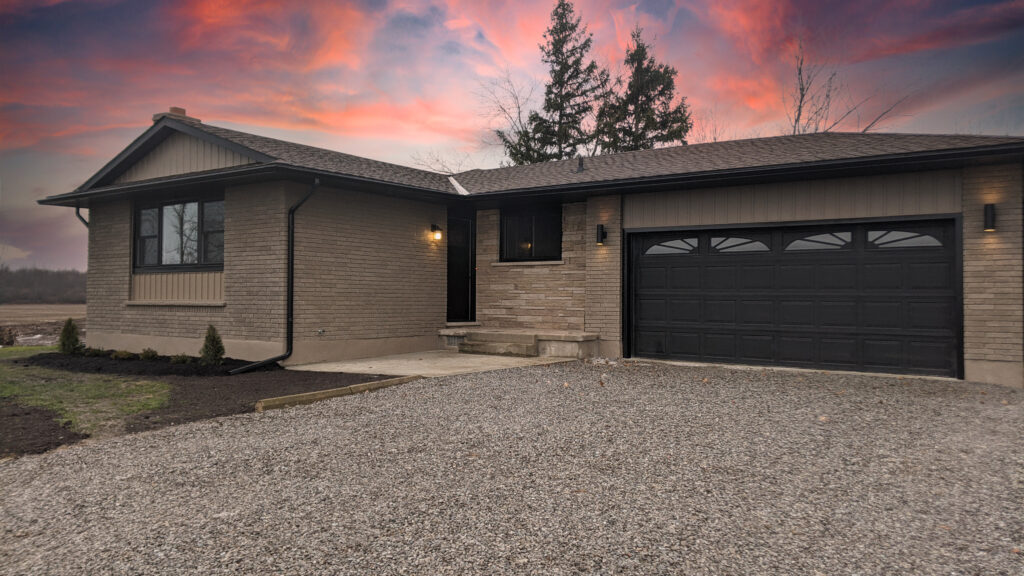
A duplex conversion turns a single-family home into a property with two self-contained, legal dwelling units — typically by adding a second suite in the basement or on a separate floor. In the Niagara Region, where housing demand is strong and older homes are plentiful, it's one of the most dependable value-add strategies available to homeowners and investors alike.
Why convert a single home into a duplex?
The appeal is simple: one property, two streams of value.
- Rental income. A legal second suite produces ongoing rent that can offset a mortgage or generate cash flow.
- Higher property value. A legal two-unit home is generally worth more than the same house with an unfinished basement — the income it produces is reflected in its value.
- More housing. Conversions add gentle density without changing the character of a neighbourhood, which is why Ontario has made them easier to permit in recent years.
What does the process actually involve?
A compliant conversion is more than finishing a basement. The work centres on making the second unit legal and safe, which usually means:
- Fire separation between units (rated walls and ceilings) so each suite is protected.
- Egress windows in below-grade bedrooms so occupants can exit safely.
- An electrical upgrade, often including separate panels or sub-metering.
- Sound separation, dedicated entrances, and proper ceiling heights to meet code.
- Permits and inspections at each stage, ending with an occupancy sign-off.
Cutting corners on any of these is what separates a "finished basement apartment" from a legal duplex — and only the legal version delivers the value and protection above.
The rules to know in Ontario
Ontario broadly permits second units (also called accessory or secondary suites) in many residential homes, but the details are governed locally and by code:
- Zoning & municipal bylaws determine where second units are allowed and any parking or size requirements — these vary by municipality across Niagara.
- The Ontario Building Code sets the construction standards (fire separation, egress, ceiling height, ventilation).
- The Ontario Fire Code governs ongoing safety requirements such as alarms and separations.
Because the specifics differ between Welland, St. Catharines, Thorold, and other Niagara municipalities, confirming local requirements early is essential. Always verify the current rules with your municipality and qualified professionals before starting.
Costs and timelines
Every project is different — costs depend on the home's existing condition, layout, and how much mechanical and structural work is required. A straightforward conversion is a meaningfully smaller undertaking than a gut renovation, while a complex one (new egress, extensive electrical, structural changes) takes more time and budget. The honest answer is that a proper assessment of the specific property is the only way to estimate accurately. You can see examples of completed Niagara projects in our portfolio.
Is a duplex conversion right for the property?
Good conversion candidates usually share a few traits: a basement (or layout) with adequate ceiling height, a workable path for a separate entrance, and a location where second units are permitted and rentable. A construction-informed assessment — looking at the home from a builder's perspective, not just an aesthetic one — is the best way to know whether the numbers and the layout work before committing.
Duplex conversions reward careful planning and proper execution. Done right, they add lasting value and durable income; done casually, they create liability. Investors who'd rather fund value-add projects like these than manage them can take part through private lending at a fixed 8%. If you're weighing one in the Niagara Region and want to understand the approach, get in touch — we're happy to talk through it.
This article is general information only, not legal, financial, or construction advice. Building, fire, and zoning requirements change and vary by municipality — verify current rules with your municipality and qualified professionals before proceeding.