Anatomy of a Niagara Flip: How SIP Turns Tired Houses into Value
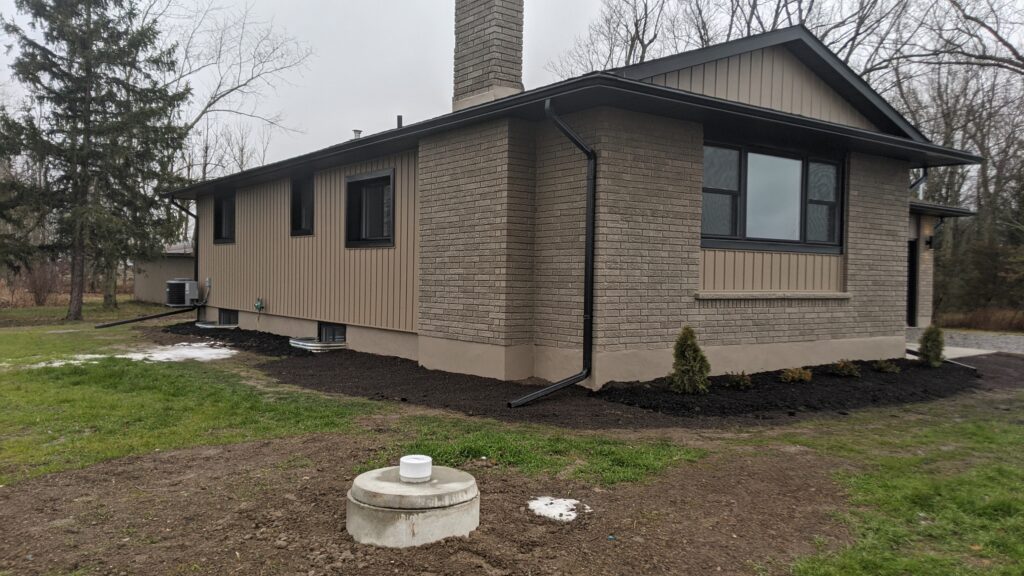
Every flip looks effortless in the after photos. What the photos don't show is the discipline that happens before and during — the math, the sourcing, and the construction know-how that separate a profitable project from an expensive lesson. Here's how a SIP project actually goes from tired listing to finished home, step by step, and where investor capital fits in.
Step 1: Sourcing the right property
The profit on a flip is made at the purchase, not the sale. Overpay at the start and no amount of renovation fixes the numbers. That's why sourcing matters most. SIP looks for distressed or dated homes that can be bought well below their finished value — typically around 70–80% of After Repair Value (ARV) once renovation costs are accounted for. Two decades in Niagara construction means a local network that surfaces off-market opportunities before they hit the open market, and an eye that can tell a cosmetic problem from a structural one at a glance.
Step 2: Underwriting the numbers
Before an offer goes in, every project gets underwritten honestly. That means estimating three things accurately: what the home is worth finished (ARV), what the renovation will actually cost, and what it costs to carry the property while the work is done. A construction background is the difference here — budgets come from real trade pricing, not guesswork. If the margin isn't there, SIP walks away. An illustrative example of how a deal might pencil out:
- Purchase price: ~$450,000
- Renovation budget: ~$85,000
- Projected sale (ARV): ~$625,000
- Estimated profit: ~$90,000 (before selling and carrying costs)
Those figures are an example only — real projects vary, and the point of careful underwriting is to know the numbers before committing, not to hope they work out.
Step 3: The renovation
This is where most flips go sideways — blown budgets, missed timelines, surprises behind the walls. It's also where construction experience earns its keep. SIP manages every permit, trade, and inspection directly, sequencing the work so the project moves efficiently rather than stalling between contractors. Sometimes the highest and best use isn't a straight cosmetic flip at all but a duplex conversion — adding a legal second suite to create income and lift the property's value. Either way, the goal is the same: do the work properly, to code, on schedule.
Step 4: The exit
Once the renovation is complete and inspected, the property is cleaned, staged, and listed to sell at top dollar. A well-executed home in a strong Niagara neighbourhood tends to move — and a clean, on-time sale is what closes the loop on the whole project. You can see finished examples in our portfolio.
Where investor capital fits
Flips take capital, and that's where investors come in. Rather than swinging a hammer or managing trades, an investor can fund a project through private lending: you provide capital for the deal, documented by a promissory note, and earn a fixed 8% annual return with monthly interest and your principal returned when the project completes. You're funding the work you just read about — the sourcing, the renovation, the sale — without taking on any of the day-to-day. We explain the mechanics in detail in how private lending works, and you can review how private lending is structured, with an example pro-forma.
A good flip is a process, not a gamble — bought right, budgeted honestly, built properly, and sold cleanly. If you'd like to understand how it works or how to take part, get in touch. We're always glad to walk through a project.
This article is general information only, not financial, legal, or investment advice, and is not an offer or solicitation to buy any security. The figures shown are illustrative examples, not projections or guarantees; real projects vary and all investing carries risk, including the risk of loss of principal. Do your own due diligence and consult qualified professionals before making any investment decision.